
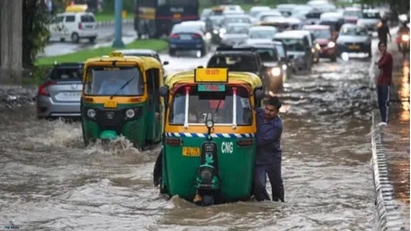
There is a new weather system moving through the area this week, bringing widespread showers, isolated thunderstorms, and a noticeable drop in temperature. This will make the rain in the northern areas stronger. Early forecasts say that the upcoming Northern areas rain will probably affect important tourist spots, farming valleys, and a few high-altitude villages that are already feeling the effects of seasonal weather. This system is one of the most important Northern areas rain alerts issued in the last few weeks. It raises new worries about travel problems and possible landslides.
Meteorologists say that this incoming wave of Northern areas rain is part of a larger pattern of disturbances in the west that usually affect Pakistan during seasonal changes. As the system moves in, officials are telling people who live there and who are traveling to stay alert and follow safety rules.
Latest Weather Forecast for Northern Areas Rain
The most recent forecast says that the new weather system could bring moderate to heavy Northern area rain to Gilgit, Hunza, Skardu, Chitral, Astore, and Neelum Valley. Weather experts say that the strength of this Northern areas rain may be different in different districts, but there will be scattered thunderstorms and strong winds.
The Pakistan Meteorological Department (PMD) has already released some early information showing that the Northern areas rain system will grow in stages. It will start with cloudy weather, then light rain, and finally heavy rain in mountainous areas.
This round of Northern areas rain could also cause short-term road blockages, especially on the Karakoram Highway and other important roads that are likely to have rocks fall on them. Authorities warn that the Northern areas rain could bring fast-moving water to communities near rivers and streams. However, the risk of major flooding is still low at this point.
Regions That Are Likely to Be Affected by Northern Areas Rain
The latest forecasts say that the Northern areas rain will have an effect on:
- Gilgit city and the areas around it
- Hunza and Nagar districts
- Skardu and the valleys around it
- Ghizer region
- Astore and Diamer belt
- Upper Chitral and Lower Chitral
- Neelum Valley peaks and passes
Because of the spread of this “Northern areas rain,” both locals and tourists should be ready for sudden changes in the weather. During the heaviest parts of Northern areas rain, mountain roads can get slippery and visibility can drop a lot.
People who travel by road, especially those going to high-altitude lakes, glaciers, or trekking routes, may have to change their plans because of the Northern areas rain. Local officials say you should check the road conditions in real time before you leave.
Public Advisory on Rain in the Northern Areas
Safety Tips and Rules from the Government
Officials have put out a public warning telling people to be careful during the upcoming Northern areas rain. The PMD says that even though the system is seasonal, the pattern of heavy rain in steep areas can be hard to predict.
Some important suggestions are:
- Don’t travel if you don’t have to during peak Northern areas rain hours.
- Stay away from riverbanks, steep slopes, and areas that are likely to have landslides.
- Listen to what local disaster management teams tell you to do.
- Keep your car’s gas tank full in case the road closes unexpectedly.
- Don’t go hiking or camping when it’s raining in the northern areas.
You can find the PMD’s full forecast and safety warnings on their official website.
Official Forecast from the Pakistan Meteorological Department Officials stress the importance of being ready because the Northern areas rain can change quickly, especially in higher areas where temperature changes make storms more likely to form.
How Rain in the Northern Areas Affects Travel and Tourism
The upcoming “Northern areas rain” is likely to have an immediate impact on the tourism industry. During the winter, more people usually visit Gilgit-Baltistan and northern Khyber Pakhtunkhwa, especially places like Naltar, Fairy Meadows, and Shogran. Heavy rain in the northern areas, on the other hand, could cause:
- Slippery mountain roads
- Delays or possible cancellations of flights
- Limited access to high-altitude lakes
- Temporary stops in trekking routes
During the “Northern areas rain” spell, local tourism companies are working with weather officials to change plans and keep visitors safe.
Strong winds that come with the “Northern areas rain” could also hurt temporary buildings in camping areas. Because of this, tour guides are telling groups to plan ahead and be ready for anything.
How Rain in the Northern Areas Affects Farming
Farmers are both hopeful and wary about the upcoming Northern areas rain. On the one hand, timely Northern areas rain can help winter crops by adding moisture to the soil. But too much rain in narrow valleys could make it hard to harvest and ruin ripe crops.
Farmers in Hunza, Ghizer, and Astore are keeping a close eye on how the Northern areas rain will affect:
- The sprouting of wheat
- Fruit orchards (especially apples and apricots)
- Places where livestock can graze
- Schedules for watering
Agricultural officials say that crops that are sensitive to frost may be harmed by sudden drops in temperature after heavy rain in the north. They suggest taking precautions, especially for orchards that are worth a lot of money.
Wider Context: Changes in the Seasons and the Weather
Climatologists say that the Northern areas rain pattern fits with Pakistan’s winter season transition, when western disturbances move eastward on a regular basis. These disturbances gather moisture over Afghanistan and Iran and then let it go as Northern areas rain in Pakistan’s mountainous regions.
The northern belt’s landscape makes rain stronger because cold and slightly warmer air channels meet there. So, even though the upcoming Northern areas rain system isn’t unusual, the timing of it is important for seasonal cycles that are still going on.
Also, small changes in temperature after the “Northern areas rain” could lead to early snowfall in some higher areas, especially in the Babusar Top, Deosai, and Khunjerab regions.
Conclusion
This week’s new system bringing Northern areas rain is likely to change how people go about their daily lives, how they travel, and how they farm in northern Pakistan. The rain is good for the plants, but it also makes the roads slippery, causes landslides, and makes it harder to see, so people need to be careful.
As the Northern area rain changes throughout the week, weather officials urge people who live there and people who are traveling to stay up to date through reliable sources. The region can handle both the good and bad things that come with this big change in the weather if they plan ahead and keep everyone up to date.
Quick, reliable news – only on Top News Search